
Brakes, Brake Pads & Rotors Change
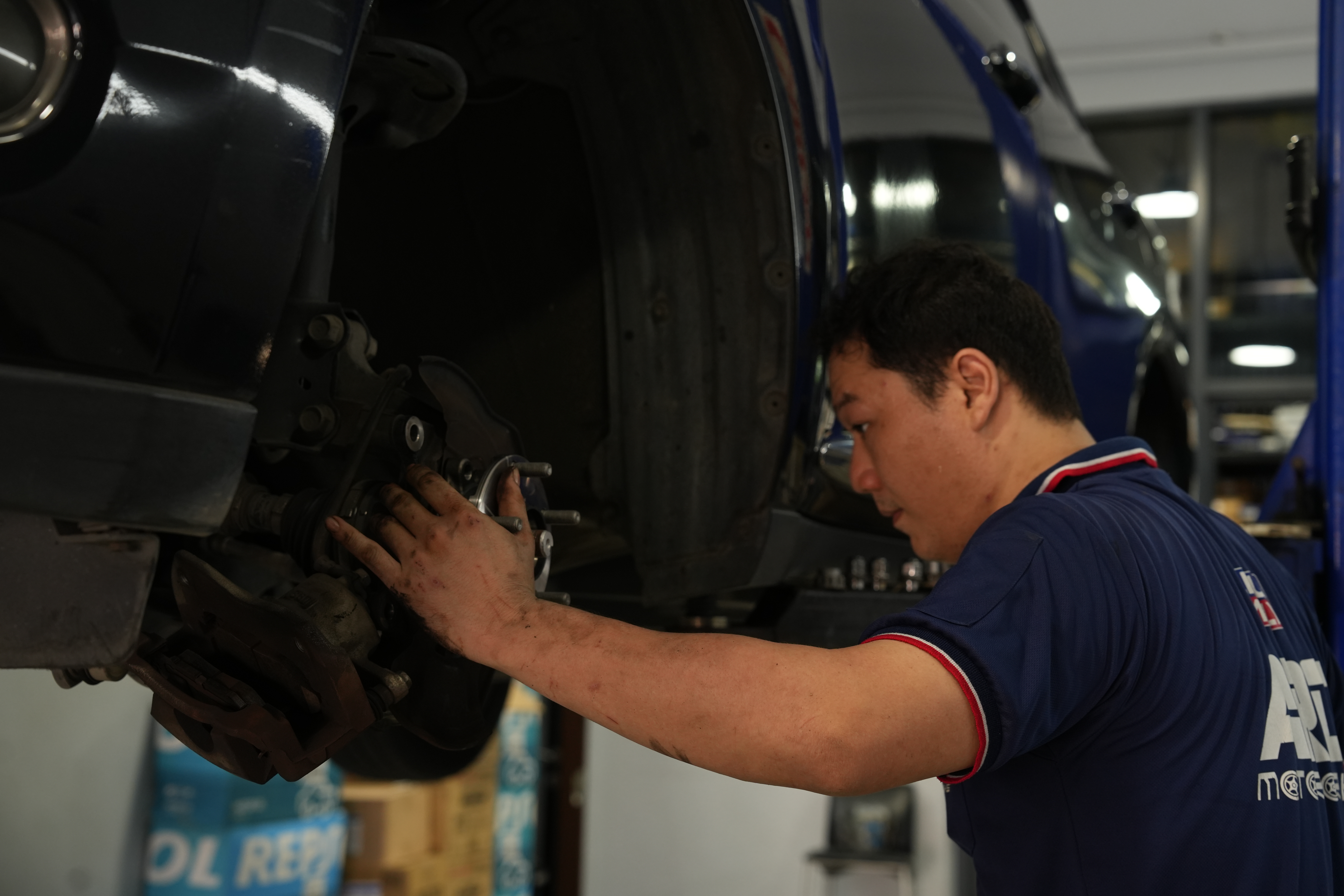

Expert Brake Service, Pads & Rotors Replacement
Confidence. Control. Safety.
Your safety is our priority. ARC Motorworks provides expert brake repair, high-performance brake pad and rotor replacement for all makes and models. Free inspections and honest recommendations.
Sound
High-pitched squealing, grinding, or metal-on-metal scraping noises.
Feel
A soft, spongy brake pedal that sinks to the floor, or vibration and pulsation when braking.
Performance
Your vehicle pulls to one side when braking, or it takes longer to come to a complete stop.
Sight
The brake warning light is illuminated on your dashboard.
Complete Brake System Services
Service Tiers:
- Comprehensive Inspection: We measure pad thickness, check rotor for warping or scoring, inspect calipers for leaks, and test brake fluid moisture content.
- Transparent Recommendation: We provide a clear, itemized estimate with photos of your worn components and explain exactly what needs to be done and why.
- Precision Installation: Our technicians use torque specifications and proper procedures to ensure everything is installed correctly and safely.
- Break-In & Quality Check: We follow the proper bed-in procedures for new pads and rotors and test drive the vehicle to ensure flawless operation.
Why Choose ARC Motorworks for Brake Service?
- Quality Parts: We use trusted, premium-grade brake components from industry leaders to ensure quiet operation, clean wheels, and reliable stopping power.
- Expert Technicians: Our certified mechanics have the expertise to handle everything from basic replacements to complex ABS and electronic brake system diagnostics.
- Thorough Inspection: We never just replace pads without inspecting the entire system. Your safety depends on it.
- Honest Advice: We will never recommend a service you don’t need. Our recommendations are based on measured wear and safety data.
- Warranty: Our brake services are backed by a strong warranty on both parts and labor.
- FAQ's
Frequently Asked Questions
Keeping up with regular oil changes is essential for the health and performance of your vehicle. Below are answers to common questions to help you understand why routine oil change and servicing matter, how often it’s needed, and what to expect during the process.
There is no single mileage interval, as brake wear depends heavily on your driving habits, environment, and vehicle type. Generally, pads may need replacement every 30,000 to 60,000 miles, and rotors every 50,000 to 70,000 miles. The most accurate way to know is through a visual and physical inspection by our technicians, which we offer for free.
Resurfacing: Shaves a thin layer off the rotor to create a smooth, even surface for new brake pads. This is only possible if the rotor is still thick enough to meet manufacturer specifications after the process.
Replacement: Installs a brand-new rotor. This is often recommended if the rotor is too thin, severely warped, scored, or rusted. Modern rotors are often manufactured thinner to reduce weight and cost, making replacement more common than resurfacing today.
For optimal performance and safety, new pads should be paired with new (or properly resurfaced) rotors. Worn rotors can have grooves, hot spots, or be warped. Putting new, flat brake pads against an uneven rotor surface leads to reduced contact, noisy braking, vibration, and significantly reduced pad life. Replacing them together ensures a perfect mating surface for maximum stopping power and longevity.
A occasional mild squeal in damp weather can be normal. However, a consistent high-pitched squeal is often an integrated wear indicator on the brake pad itself. It's a small metal tab designed to make noise when the pads have worn down to a level requiring replacement.
Brake fluid is hygroscopic, meaning it absorbs moisture from the air over time. This moisture lowers the fluid's boiling point, which can lead to a soft pedal and brake fade under heavy use (like going down a mountain pass or panic stops).